Preparing for a trade English exam can feel overwhelming, especially when you’re juggling complex terminology and real-world scenarios. From understanding shipping documents to mastering international trade terms, it’s essential to get comfortable with both theory and practical problem-solving.
Over time, I’ve found that working through actual test questions not only boosts confidence but also sharpens critical thinking skills under time pressure.
Whether you’re a beginner or aiming to polish your expertise, tackling real exam problems makes all the difference. Let’s dive deeper and explore effective strategies to help you succeed with ease!
Decoding Complex Trade Terminology
Breaking Down Key Terms
Getting a solid grasp on trade vocabulary can feel like learning a new language within a language. Terms like FOB, CIF, or INCOTERMS might seem intimidating at first, but once you connect each acronym to a real-world shipping scenario, they start to make sense.
Personally, I found it helpful to create flashcards with definitions on one side and example sentences on the other. This approach not only made memorization easier but also helped me recall terms quickly during timed exams.
When you encounter a term, try to visualize how it plays out in a transaction—this mental mapping transforms dry jargon into practical knowledge.
Contextual Usage Matters
It’s one thing to know a term’s definition and another to understand its correct usage. For instance, knowing that “Bill of Lading” is a document isn’t enough; recognizing its role as a title of goods and receipt in trade is crucial.
When practicing, I always read sample documents or past exam questions to see how these terms interact in contracts, invoices, or shipping documents. This contextual learning builds intuition and prepares you for tricky questions that test application rather than rote memorization.
Common Pitfalls and How to Avoid Them
Many students stumble when similar terms have subtle differences—take “Letter of Credit” and “Bank Guarantee,” for example. They both involve banks but serve distinct purposes in trade finance.
My advice is to note these nuances explicitly and revisit them frequently. In my experience, mixing up these concepts cost me time during exams, so I developed a habit of quickly jotting down key differences before starting a problem.
This simple step helped me stay sharp and avoid careless errors.
Mastering Document Interpretation
Analyzing Shipping Documents
Shipping documents can be overwhelming because they often contain dense language and a variety of clauses. The secret to mastering them lies in practicing with real samples.
When I first tackled these documents, I printed out copies and highlighted critical sections like consignee details, shipment dates, and payment terms.
This active reading technique helped me identify relevant information quickly, which is a lifesaver during timed exams. Remember, the ability to skim effectively and locate key details fast is just as important as understanding the content itself.
Linking Documents to Trade Procedures
Understanding how documents fit into the bigger trade process is essential. For example, knowing that the Commercial Invoice is used for customs clearance or that the Packing List helps verify shipment contents adds layers of meaning to what might otherwise look like endless paperwork.
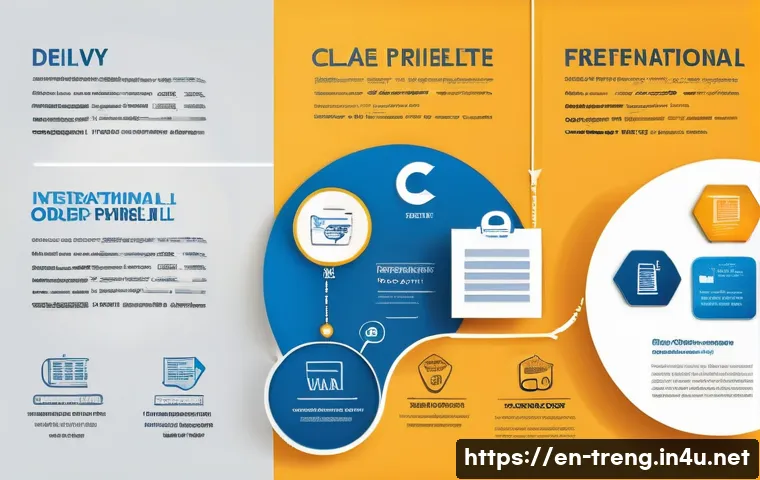
I often drew flowcharts illustrating the sequence of documents from order placement to delivery. This visual aid not only reinforced my memory but also helped me answer scenario-based questions with confidence.
Practice with Real Scenarios
Theoretical knowledge only goes so far without applying it. I recommend using past exam questions or online case studies where you interpret documents in context.
This hands-on approach deepened my understanding and improved my speed. For instance, interpreting discrepancies in a Bill of Lading or spotting errors in a Letter of Credit can be tricky until you’ve seen multiple examples.
The more you expose yourself to these documents, the more intuitive the interpretation becomes.
Enhancing Time Management Skills
Prioritizing Questions Wisely
When I first sat for a trade English exam, I realized that time slipped away because I tried to answer every question in order. Instead, I learned to scan the entire test first, marking questions I found easy or high-scoring.
Tackling these first boosted my confidence and ensured I didn’t leave easy marks on the table. Balancing quick wins with challenging problems optimizes your overall score and reduces stress.
Developing Speed Without Sacrificing Accuracy
Speed is crucial, but rushing can lead to careless mistakes, especially with complex trade language. I practiced timed drills where I focused on reading comprehension and problem-solving under pressure.
Over time, my accuracy improved because I trained myself to focus on keywords and skip irrelevant details. A useful tip is to practice summarizing paragraphs in your own words quickly—this sharpens comprehension and speeds up decision-making.
Using Mock Exams Effectively
Mock exams are a goldmine for refining time management. My strategy was to simulate exam conditions strictly—no interruptions, timed sections, and no peeking at notes.
After each mock, I reviewed not just wrong answers but also how long I spent on each question. This reflective practice helped me identify bottlenecks and adjust pacing strategies.
If you can, try group study sessions where you solve problems competitively; the friendly pressure can mimic real exam stress and improve your rhythm.
Building Confidence Through Practical Application
Learning by Teaching
One surprisingly effective method I used was explaining trade concepts to a study buddy or even to myself out loud. Teaching forces you to clarify your understanding and exposes gaps in knowledge.
This technique made abstract terms more concrete and helped me remember details better. Plus, articulating answers out loud built my verbal confidence, which is a bonus if your exam includes oral components.
Simulating Real-Life Trade Scenarios
I created mini case studies based on typical trade problems—like negotiating payment terms or resolving shipment discrepancies. Role-playing these situations with peers or mentors made the learning process dynamic and less monotonous.
Experiencing how decisions impact outcomes gave me practical insights that textbooks rarely provide. This immersive approach turned theoretical knowledge into actionable skills.
Staying Positive and Managing Stress
Trade exams can be intense, and stress often clouds judgment. I found that short breaks during study sessions and breathing exercises before exams helped maintain focus.
Celebrating small victories, like mastering a tricky term or solving a complex document, boosted morale. Remember, confidence grows with experience, so embrace mistakes as learning opportunities rather than setbacks.

Leveraging Study Resources Wisely
Selecting the Right Study Materials
There’s an overwhelming amount of resources out there—from textbooks to online courses and forums. I recommend starting with official guidelines or recommended reading lists from exam boards to ensure relevance.
Supplement these with up-to-date articles or videos that explain current trade practices. I personally preferred materials that included practice questions and detailed explanations, as these helped bridge theory and application effectively.
Using Technology to Your Advantage
Apps and online platforms can make studying more interactive and flexible. Flashcard apps, for instance, helped me review terms during commutes or short breaks.
Some websites offer timed quizzes that simulate exam conditions, which I found invaluable for pacing. Additionally, joining online trade forums allowed me to ask questions and see how others approached difficult topics, providing fresh perspectives.
Creating a Personalized Study Plan
Rather than cramming, spreading study sessions over weeks worked best for me. I tailored my plan to focus on weaker areas first, then reinforced strengths through revision.
Mixing different types of activities—reading, writing, quizzes, and discussions—kept things interesting and prevented burnout. A well-structured plan with clear goals for each session kept me motivated and on track.
Understanding International Trade Regulations
Grasping Compliance Requirements
Trade regulations differ by country and product, making compliance a complex but crucial topic. I spent time learning about customs procedures, import/export restrictions, and documentation standards.
Understanding these rules not only helps with exam questions but also prepares you for real-world trade challenges. When I studied these, I focused on common regulatory issues like tariff classifications and licensing requirements, which frequently appear in tests.
Interpreting Trade Agreements
Free trade agreements and regional trade blocs influence tariffs and duties, so knowing their basic principles can give you an edge. I mapped out key agreements relevant to major trading partners and noted how they impact trade terms and costs.
This contextual awareness often clarifies why certain clauses appear in contracts or why specific documentation is required.
Adapting to Changing Trade Policies
Trade policies evolve rapidly due to geopolitical events or economic shifts. Staying updated through reliable news sources or trade bulletins helped me anticipate exam topics related to recent changes.
For example, shifts in sanctions or import bans can affect how you answer scenario questions. Keeping an eye on these trends ensures your knowledge stays current and practical.
Key Documents and Their Roles in Trade Transactions
Overview of Essential Trade Documents
Trade transactions rely heavily on a set of core documents, each serving a unique purpose. Understanding what these documents represent and when they are used is fundamental.
For instance, the Commercial Invoice details the transaction value and payment terms, while the Certificate of Origin verifies the product’s country of manufacture.
Knowing these distinctions helps you quickly identify document functions during exams.
Comparing Document Functions and Features
Some documents might seem similar but differ in critical ways. For example, a Bill of Lading acts both as a receipt and a document of title, where. Recognizing these differences is essential, especially when answering questions about document handling or risk transfer points.
Practicing with actual document samples can clarify these nuances.
Summary Table of Common Trade Documents
| Document | Primary Purpose | Key Features | When Used |
|---|---|---|---|
| Bill of Lading | Proof of shipment and title transfer | Negotiable, issued by carrier | Sea freight shipments |
| Commercial Invoice | Details transaction and payment terms | Issued by seller to buyer | Customs clearance and payment |
| Certificate of Origin | Confirms product’s country of manufacture | Required for preferential tariffs | International customs |
| Letter of Credit | Guarantees payment by buyer’s bank | Conditional, bank-issued | High-value or risky transactions |
| Packing List | Details shipment contents and packaging | Non-negotiable, assists inspection | Customs and consignee verification |
| Air Waybill | Receipt of goods for air transport | Non-negotiable, issued by airline | Air freight shipments |
Closing Thoughts
Mastering trade terminology and documents takes time, but with consistent practice, it becomes much more manageable. Visualizing real-world applications and engaging with authentic materials helped me gain confidence and improve accuracy. Remember, patience and practical exposure are key to turning complex concepts into second nature. Keep practicing, stay curious, and you’ll find yourself navigating trade language with ease.
Useful Tips to Keep in Mind
1. Break down complex terms by relating them to everyday trade scenarios to enhance understanding and recall.
2. Always study terms within their context—seeing how they fit into contracts or shipping documents makes a huge difference.
3. Use real documents and past exam questions to practice interpreting information quickly and accurately.
4. Prioritize questions strategically during exams to maximize your score and reduce stress.
5. Develop a personalized study plan that balances theory, practice, and revision to maintain steady progress.
Key Takeaways
Understanding trade requires more than memorizing definitions—it demands grasping how terms and documents function in real transactions. Focus on contextual learning, use practical examples, and train yourself to manage time effectively during exams. Embrace active study methods like teaching others and simulating trade scenarios to deepen your knowledge. Staying updated on trade regulations and using technology wisely will also give you a competitive edge. With dedication and the right approach, mastering international trade language is well within reach.
Frequently Asked Questions (FAQ) 📖
Q: What are the most effective ways to study complex trade terminology for the exam?
A: The best approach I’ve found is to break down the terminology into manageable groups and relate each term to real-life examples or scenarios. Flashcards can help, but pairing them with practical usage—like reviewing shipping documents or case studies—makes the meaning stick better.
Also, try explaining terms in your own words to a friend or study partner; teaching reinforces understanding. Consistent daily review, even for just 15-20 minutes, beats last-minute cramming every time.
Q: How can I improve my problem-solving skills for real-world trade scenarios under exam conditions?
A: Practicing with actual past exam questions is a game-changer. When I started timing myself while solving these problems, it forced me to think quickly and prioritize key information instead of getting lost in details.
It helps to simulate exam conditions: no distractions, set a timer, and tackle a variety of problems regularly. Over time, you’ll notice your ability to analyze scenarios and select the right answers improves naturally, boosting both speed and accuracy.
Q: What should I focus on to balance theory and practical knowledge in trade English exams?
A: From my experience, it’s crucial not to rely solely on memorizing theory or just practicing problems. Aim for a mix: understand the foundational concepts behind trade terms and processes, but also apply them through exercises involving real documents like invoices, bills of lading, or letters of credit.
This hands-on approach makes abstract ideas concrete and builds confidence. Additionally, reading current trade news or industry updates can provide context that deepens your grasp and keeps you engaged.