Ever wonder how you can make a tangible difference on the global stage, beyond just passion and good intentions? It turns out, some of the most powerful tools for international humanitarian work aren’t always what you’d expect.
From ensuring vital aid reaches those who need it most to forging crucial partnerships, effective communication is the backbone of every successful NGO mission.
That’s where an International Trade English certification can surprisingly become your secret weapon, bridging the gap between global business acumen and profound social impact.
It’s more than just mastering vocabulary; it’s about confidently navigating complex global landscapes and making your voice heard when it matters most, truly empowering you to connect, negotiate, and inspire change.
Let’s delve into exactly how this unique skill set can unlock unparalleled opportunities in international NGO activities.
Mastering Global Communication: The Unsung Hero of NGO Work

Decoding International Agreements for Greater Impact
It’s easy to think that passion alone is enough to make a difference in humanitarian aid, but after years of observing and engaging in global initiatives, I’ve seen firsthand that navigating the intricate web of international regulations is where the rubber truly meets the road.
An International Trade English certification isn’t just about understanding tariffs or shipping jargon for profit; it’s about confidently interpreting complex legal documents that dictate how aid can be moved, where it can go, and under what conditions.
Imagine trying to get desperately needed medical supplies into a crisis zone without fully grasping the customs declarations or sanction limitations. I remember one instance where a shipment was delayed for weeks, not due to lack of effort, but a minor misinterpretation of a trade clause by a well-meaning but untrained team member.
That delay, caused by what seemed like a small detail, had real-world consequences for vulnerable communities. This certification equips you with the precision needed to avoid such pitfalls, ensuring that every document signed and every declaration made is ironclad, accelerating assistance where it’s needed most.
It’s about proactive problem-solving, anticipating bureaucratic hurdles before they even arise, and ultimately, safeguarding the delivery of critical resources.
This level of foresight is invaluable and truly elevates your contribution beyond simple good intentions.
Cultivating Cross-Cultural Understanding Through Precise Language
Beyond the legalities, effective communication in an NGO setting is deeply intertwined with cultural nuance. I’ve always felt that true understanding isn’t just about speaking the same language, but truly understanding the *intent* behind the words, especially when operating across diverse cultures.
An International Trade English background trains you to communicate with a clarity and directness that minimizes misinterpretation, which is absolutely crucial when lives are on the line.
It’s not just about English; it’s about a universal language of precision in business and negotiation that transcends typical conversational boundaries.
When you’re discussing a project with local government officials in one country, then pivoting to partners from a different cultural context, the ability to articulate your objectives, timelines, and resource needs in a universally understood, professional manner becomes your greatest asset.
My own experience has shown me that this clarity builds trust, fostering stronger relationships and enabling more collaborative, respectful partnerships.
It’s about building bridges, not just delivering messages. It empowers you to navigate sensitive situations with diplomatic grace, ensuring that your humanitarian message is not only heard but deeply understood and respected by all stakeholders involved, regardless of their background.
The Language of Logistics: Ensuring Aid Reaches Its Destination
Mastering Import/Export Regulations for Timely Delivery
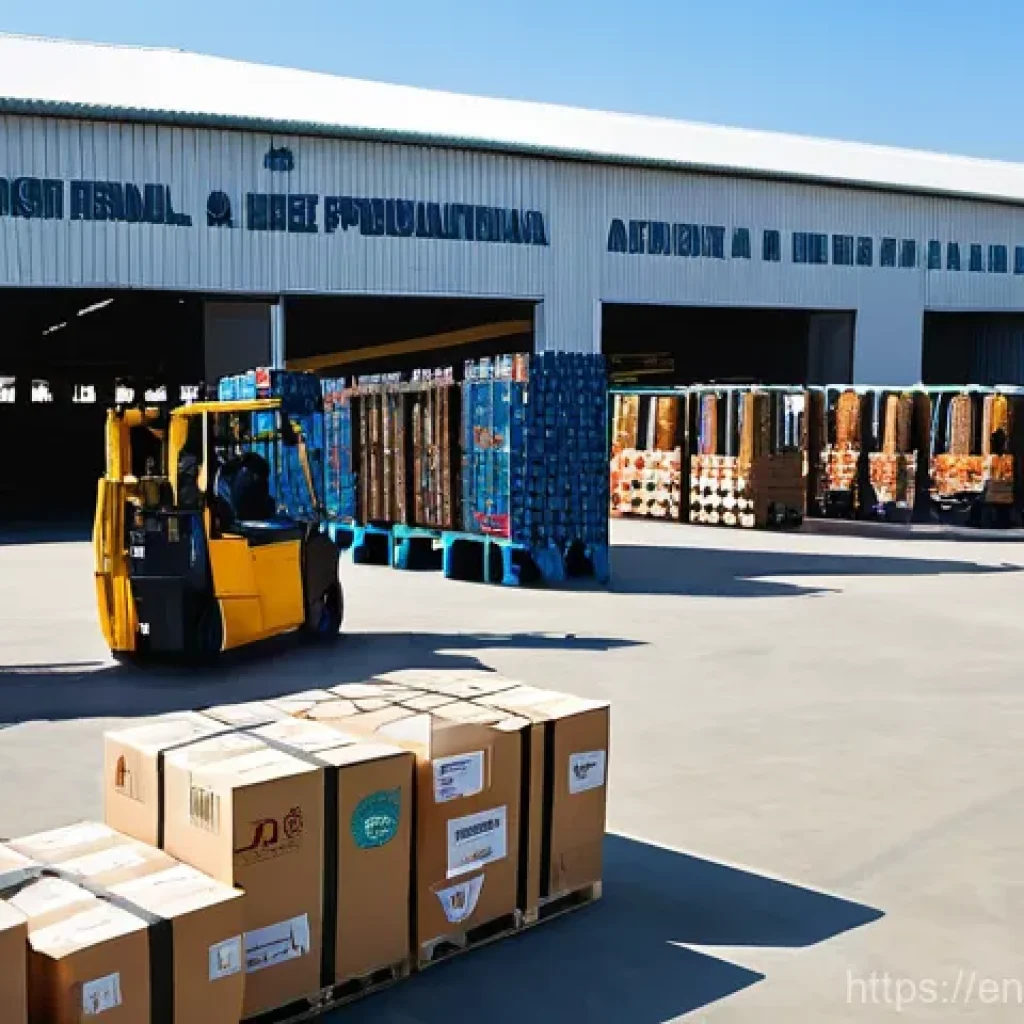
When you’re trying to get a thousand tents or tons of food aid across borders, it’s not just a matter of packing and shipping; it’s a high-stakes logistical ballet.
My eyes were truly opened to this complexity when I helped coordinate a large-scale emergency response project after a natural disaster. The critical difference between success and devastating delays often boiled down to someone on the team having a rock-solid grasp of import/export regulations.
This isn’t just about knowing what forms to fill out; it’s understanding the nuances of customs duties, VAT exemptions for humanitarian goods, and the myriad of permits required for specialized equipment.
An International Trade English certification provides the foundational knowledge to navigate these labyrinthine systems. You learn to dissect international commercial terms (Incoterms), understand shipping documentation like bills of lading and certificates of origin, and even anticipate potential roadblocks related to packaging and labeling for different regions.
This expertise means you can proactively engage with shipping companies, customs brokers, and government agencies, speaking their language to expedite critical consignments.
It truly feels like having a secret weapon that cuts through red tape, ensuring that aid isn’t just sitting in a warehouse somewhere, but actively moving towards those who desperately need it.
Streamlining Supply Chains Under Pressure
Beyond just getting things *into* a country, managing the entire supply chain from source to beneficiary is a monumental task, especially when you’re under the immense pressure of a humanitarian crisis.
I’ve personally seen how a well-managed supply chain can be the difference between life and death. This is where the practical application of trade English skills really shines.
You’re not just ordering goods; you’re engaging with suppliers globally, negotiating favorable terms, ensuring quality control, and monitoring transport schedules, often across multiple modes of transport.
This certification gives you the vocabulary and conceptual framework to optimize these processes. Think about negotiating with a freight forwarder for reduced rates on urgent air cargo or resolving a dispute with a local distributor over delivery timelines – these situations demand precise, professional communication.
My experience has taught me that the ability to articulate complex logistical challenges and solutions clearly and concisely in a global business context prevents costly errors and ensures operational efficiency.
It’s about creating a lean, agile supply chain that can adapt to unforeseen challenges, ensuring that every dollar spent translates into maximum impact on the ground.
This holistic understanding of global trade flow ensures that your NGO’s resources are utilized to their fullest potential, even in the most challenging environments.
Navigating Global Partnerships and Funding Streams
Crafting Compelling Grant Proposals that Win
Securing funding is the lifeblood of any NGO, and in the competitive world of international development, a compelling grant proposal can make all the difference.
What I’ve learned from countless hours spent reviewing proposals and crafting my own is that clarity, precision, and a strong understanding of financial mechanisms are absolutely paramount.
An International Trade English certification, surprisingly, sharpens these very skills. It instills a professional rigor in your writing, moving beyond general appeals to specific, actionable plans backed by sound financial and logistical understanding.
You’ll find yourself naturally using language that resonates with sophisticated institutional donors, who often operate on principles akin to international business.
This isn’t just about perfect grammar; it’s about structuring arguments, detailing resource allocation, and articulating expected outcomes with the kind of analytical precision that convinces a funder their investment will yield tangible, measurable results.
I’ve personally witnessed proposals that clearly demonstrated an understanding of global economic realities and efficient resource management stand out significantly from those that relied purely on emotional appeal.
It’s about speaking the language of accountability and impact, which is inherently understood by global financiers and philanthropists.
Negotiating Ethical Contracts and Agreements
Every major NGO initiative involves contracts – with donors, partners, local governments, and suppliers. These aren’t just formal documents; they are the framework for trust, accountability, and the ethical conduct of your mission.
From what I’ve observed, many organizations stumble here, either due to a lack of understanding of international contract law principles or imprecise language that leaves room for costly misinterpretations.
This is where an International Trade English background becomes incredibly powerful. It equips you with the vocabulary and conceptual understanding to review, draft, and negotiate complex agreements that protect your organization’s interests while upholding its humanitarian values.
Think about negotiating a Memorandum of Understanding (MOU) with a local community or a service agreement with a technology provider for a remote monitoring system.
The ability to articulate terms, conditions, deliverables, and dispute resolution mechanisms with absolute clarity, and to understand the implications of every clause, is priceless.
It prevents misunderstandings, safeguards against exploitation, and ensures that all parties are aligned on expectations. I’ve personally been in situations where a strong grasp of these principles helped us secure more favorable terms that directly translated into more resources for beneficiaries.
It’s about ensuring fairness and transparency in every transaction, which is fundamental to building lasting, impactful partnerships.
Beyond Translation: Mastering Nuances in Humanitarian Diplomacy
The Art of Persuasion in Policy Discussions
When working in international NGOs, you often find yourself at the intersection of aid and policy, advocating for systemic change and influencing decision-makers on a global scale.
What I’ve found over the years is that simply translating your message isn’t enough; you need to *persuade*. This is where an International Trade English background truly elevates your game.
It teaches you the art of constructing arguments, presenting data, and engaging in high-stakes discussions with a level of professionalism and strategic thinking that resonates in diplomatic and governmental circles.
You’re not just asking for help; you’re building a case for policy reform, resource allocation, or international cooperation. I recall a meeting where a colleague, whose background included international business negotiation, was able to reframe our request for simplified customs procedures into a win-win scenario for both the local government and the humanitarian efforts, ultimately securing vital concessions.
His ability to articulate the economic benefits and long-term stability that our proposal offered, using language familiar to policy makers, was incredibly effective.
This certification hones your ability to engage with officials, diplomats, and international bodies, ensuring your voice carries authority and your arguments are compelling and politically astute.
It’s about influencing minds, not just informing them, to drive sustainable change.
Crisis Communication and Stakeholder Engagement
In the unpredictable world of international humanitarian work, crisis can strike at any moment, and how you communicate during these critical periods can define your organization’s reputation and operational success.
What I’ve experienced is that managing information flow during an emergency is incredibly challenging, and precision in language becomes paramount. An International Trade English background prepares you for the high-stakes communication required to manage complex stakeholder relationships, whether you’re issuing a global press release, briefing international donors, or coordinating with emergency response teams.
It instills a disciplined approach to information dissemination, ensuring that messages are clear, consistent, and culturally appropriate, minimizing panic and maximizing coordinated effort.
I’ve personally been involved in situations where a single poorly worded statement could have jeopardized an entire aid operation or undermined public trust.
This certification provides the framework for structured, authoritative communication that maintains credibility and fosters confidence, even amidst chaos.
It’s about controlling the narrative, ensuring transparency, and building bridges with diverse groups during the most challenging times. It empowers you to lead with confidence in communication, ensuring that your organization remains a trusted and reliable partner when it matters most.
Supply Chain Savvy: Optimizing Resources for Maximum Impact
Procurement with Purpose: Ethical Sourcing and Value
When an NGO procures goods, it’s not just about getting the cheapest option; it’s about ethical sourcing, ensuring quality, and achieving the best value to maximize the impact of donor funds.
From my hands-on involvement in setting up procurement frameworks for various projects, I’ve learned that this delicate balance requires a sophisticated approach, often involving international vendors and complex supply chains.
An International Trade English certification provides an invaluable toolkit here. It empowers you to navigate global supplier markets, understand contract clauses related to quality standards and delivery schedules, and even engage in robust negotiations for humanitarian discounts or favorable payment terms.
You’re equipped to assess vendor reliability, manage bids, and ensure compliance with both international trade laws and your organization’s ethical guidelines.
I distinctly remember a situation where our ability to clearly articulate our ethical sourcing requirements in a purchasing agreement led to a vendor adjusting their practices, resulting in a more sustainable outcome for a local community and better optics for our organization.
This expertise means you’re not just buying goods; you’re strategically investing resources with a keen eye on both cost-effectiveness and long-term social responsibility.
It’s about intelligent, impactful procurement that stretches every dollar further.
Risk Mitigation in Global Operations
Operating internationally, especially in volatile regions, inherently carries a multitude of risks – from political instability and natural disasters to currency fluctuations and logistical disruptions.
What I’ve come to understand deeply is that proactively identifying and mitigating these risks is as crucial as the aid itself. An International Trade English certification enhances your ability to address these challenges head-on.
It hones your analytical skills, enabling you to dissect trade agreements, insurance policies, and logistical plans to identify potential vulnerabilities.
You learn to articulate risk assessments clearly to stakeholders, develop contingency plans, and negotiate terms with insurers or logistics providers that offer maximum protection.
I recall a project where, thanks to a team member’s detailed understanding of international shipping insurance clauses, we were able to recover significant losses when a shipment of educational materials was damaged during transit.
Without that specific knowledge, those funds would have been lost, directly impacting the number of children we could support. This expertise helps you build resilient operational frameworks, ensuring that despite external shocks, your NGO can continue its vital work with minimal disruption.
It’s about foresight, planning, and protecting your mission against the unpredictable nature of global events.
Building Trust and Credibility in a Complex World
Transparent Reporting and Accountability
In the world of international NGOs, trust is currency. Donors, beneficiaries, and partners all need to believe in your organization’s integrity and effectiveness.
What I’ve observed time and again is that transparent reporting and rigorous accountability are non-negotiable foundations for building and maintaining that trust.
An International Trade English certification helps you craft reports that are not only clear and comprehensive but also adhere to international standards of professional communication and financial disclosure.
You’re not just compiling data; you’re articulating your impact, expenditures, and challenges in a way that is easily understood and verifiable by a global audience.
This includes everything from detailed financial statements to project progress reports, all of which benefit from the structured, precise language learned through trade English.
I’ve found that the ability to present complex information in an organized, unambiguous manner gives stakeholders confidence that their contributions are being managed wisely and ethically.
It’s about building a reputation for meticulousness and honesty, ensuring that every claim is backed by clear, professional communication.
Fostering Long-Term Relationships with Global Partners
Successful humanitarian work is rarely a solo endeavor; it thrives on strong, enduring partnerships. From local community leaders to major international organizations, these relationships are built on mutual respect, shared goals, and, crucially, clear communication.
My experience has shown me that an International Trade English certification fundamentally enhances your ability to cultivate and sustain these vital connections.
It teaches you to communicate with a level of professionalism and clarity that transcends cultural barriers, fostering genuine understanding and trust.
When you can articulate your organization’s mission, capabilities, and expectations with precision, you avoid misunderstandings and build a foundation for collaborative success.
This includes everything from informal correspondence to formal partnership agreements, where every word matters. I recall a negotiation with a potential partner where their initial skepticism turned into enthusiastic collaboration simply because our team could articulate our value proposition and shared vision in a way that resonated deeply, thanks to our clear, professional communication style.
It’s about creating a common language of purpose and partnership, ensuring that your organization is seen as a reliable, competent, and ethical collaborator on the global stage, paving the way for more impactful and sustainable initiatives.
Empowering Local Teams with Global Communication Skills
Training and Capacity Building for Local Staff
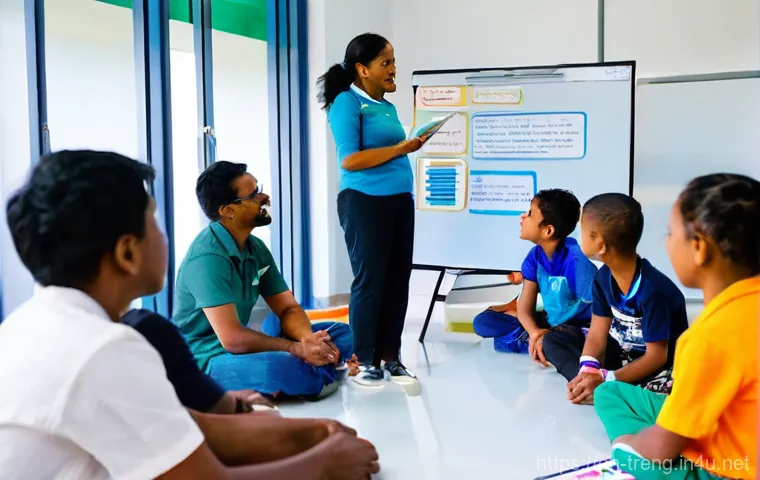
One of the most rewarding aspects of international NGO work is empowering local communities and staff to take ownership of their own development. This often involves significant capacity building, and from what I’ve experienced, effective training hinges on crystal-clear communication.
An International Trade English certification equips you to design and deliver training modules that bridge linguistic and cultural gaps, focusing on practical skills that local teams can immediately apply.
You’re not just teaching English; you’re teaching the *language of operations*, logistics, and international collaboration. Imagine training local health workers on how to manage pharmaceutical supplies according to international standards, or teaching a community-based organization how to write grant proposals for global funding.
Your ability to break down complex concepts into digestible, actionable information, using precise and globally understood terminology, is invaluable.
I’ve personally led workshops where the use of clear, structured language, even when translated, helped participants grasp difficult concepts much faster, leading to quicker skill adoption and greater confidence.
This expertise fosters self-sufficiency, ensuring that once international teams depart, local partners have the communication tools necessary to continue their vital work independently and effectively engage with the broader global community.
Facilitating Knowledge Transfer and Best Practices
In the ever-evolving landscape of humanitarian aid, sharing knowledge and best practices across borders is essential for continuous improvement and innovation.
What I’ve found is that simply having valuable information isn’t enough; you need the ability to transfer that knowledge effectively across diverse contexts.
This is where an International Trade English certification becomes an unexpected asset. It provides you with the structured communication skills necessary to document processes, compile case studies, and present findings in a way that is universally accessible and actionable.
You learn to distill complex operational procedures or project outcomes into clear, concise reports that can be understood and implemented by teams regardless of their primary language or cultural background.
I recall a project where a comprehensive manual, meticulously written with international trade communication principles in mind, allowed partner organizations in several different countries to replicate a successful agricultural program with remarkable efficiency.
This meant more people benefited, faster. It’s about systematizing learning, ensuring that successful strategies developed in one region can be adapted and applied elsewhere, multiplying your organization’s positive impact.
This skill set is critical for creating a truly interconnected and continuously learning global humanitarian network.
| Key Skill Area | How International Trade English Helps in NGOs | Real-World Impact |
|---|---|---|
| Logistics & Supply Chain | Mastering Incoterms, customs forms, and shipping documentation. | Faster delivery of aid; reduced delays at borders. |
| Partnerships & Funding | Crafting compelling, professional grant proposals and contracts. | Increased funding success; stronger, more reliable collaborations. |
| Advocacy & Diplomacy | Articulating complex policy arguments and crisis communications. | Greater influence on policy; maintained public trust during emergencies. |
| Risk Management | Analyzing and negotiating insurance, legal, and operational risks. | Minimized financial losses; enhanced project continuity in volatile areas. |
| Capacity Building | Developing clear training materials and facilitating knowledge transfer. | Empowered local teams; sustainable local leadership. |
글을 마치며
As we wrap up our deep dive into the unexpected yet undeniable power of International Trade English for NGO professionals, I truly hope you’ve gained a new perspective. It’s been incredible to share how mastering the language of global commerce isn’t just about efficiency or avoiding legal snafus – though those are certainly huge benefits! For me, it boils down to amplifying our collective impact, ensuring that every heartfelt effort and every donated dollar truly reaches those who need it most. This isn’t just a skill; it’s a profound commitment to our humanitarian mission, empowering us to build a more connected, effective, and trustworthy global aid ecosystem. By investing in this vital expertise, we’re not just speaking words; we’re speaking impact.
알아두면 쓸모 있는 정보
1. Thinking about leveling up your career in the NGO sector? Beyond the foundational skills, various professional certifications can significantly boost your credibility and effectiveness. Look into credentials like the Project Management Professional (PMP) from PMI, which is globally recognized and highly valued for leading complex initiatives, or the Certified Nonprofit Professional (CNP), which solidifies your understanding of core competencies in nonprofit management. For those specifically in fundraising, the Certified Fund Raising Executive (CFRE) is the gold standard. There are also specialized certifications in Procurement and Logistics that can be invaluable for optimizing aid delivery, such as those offered by organizations like the Association for Supply Chain Management (ASCM) or the Chartered Institute of Purchasing & Supply (CIPS). These aren’t just fancy titles; they represent a commitment to best practices and can open doors to leadership roles in international development.
2. In today’s fast-paced world, continuous learning is non-negotiable, and thankfully, there are fantastic online platforms specifically tailored for humanitarian and development professionals. Websites like Coursera, edX, and FutureLearn offer a wealth of courses from renowned universities and organizations, covering everything from humanitarian logistics to international humanitarian law and project management. Additionally, specialized platforms such as Kaya (from the Humanitarian Leadership Academy) and DisasterReady provide free, accessible training opportunities across key humanitarian topics, including essentials, technical sectors, and professional development. These resources are often scenario-focused and can help you acquire practical skills that are immediately applicable in the field, making them perfect for busy professionals looking to expand their knowledge without a huge time or financial commitment.
3. Building a robust professional network is just as crucial in the NGO world as it is in any other sector. Connecting with peers, mentors, and industry leaders can open doors to new opportunities, collaborations, and invaluable insights. Joining professional organizations like the Association for Supply Chain Management (ASCM) or the Council of Supply Chain Management Professionals (CSCMP) for logistics and supply chain roles offers exclusive networking events, webinars, and access to industry experts. For broader NGO engagement, look for local and global communities on LinkedIn, or attend conferences and workshops dedicated to international development and humanitarian aid. These platforms and events provide a space to exchange ideas, share best practices, and build genuine connections that can significantly impact your career trajectory and the effectiveness of your projects.
4. Nonprofit communication is constantly evolving, with several key trends shaping how NGOs engage with their audiences and stakeholders in 2025. One significant trend is the increasing embrace of Artificial Intelligence (AI) to streamline processes, analyze donor data, and even personalize content, though authenticity and human-centered storytelling remain paramount. Organizations are prioritizing authentic narratives, leveraging visual storytelling through engaging videos and infographics, and strengthening crisis communication strategies to navigate a world where misinformation can spread rapidly. It’s about combining technological efficiency with genuine human connection to build trust and resonate deeply with supporters, ensuring messages are clear, impactful, and accessible across diverse channels.
5. Navigating the complexities of humanitarian supply chains presents unique challenges that require specialized skills and adaptive strategies. Issues like damaged infrastructure, limited resources, geopolitical tensions, and rapid changes in demand highlight the critical need for robust logistical planning and communication. Digital tools, including cloud computing and collaboration platforms, are becoming increasingly vital for real-time information sharing, optimizing resource allocation, and ensuring transparency and accountability. The ability to coordinate effectively with multiple stakeholders—from local governments to international partners—and to mitigate risks related to transport, storage, and distribution is essential. Professionals equipped with strong international trade and communication skills are better positioned to overcome these hurdles, ensuring timely and efficient delivery of life-saving aid.
중요 사항 정리
Ultimately, what I’ve truly come to understand is that for anyone passionate about making a real difference in the world through NGO work, honing your International Trade English skills isn’t just a recommendation—it’s an absolute game-changer. It underpins everything, from securing vital funding and navigating complex logistics to fostering genuine trust and empowering local teams. This isn’t about being perfect; it’s about being precise, professional, and persistently clear in every single interaction, ensuring that our humanitarian efforts are not just well-intentioned, but powerfully effective.
Frequently Asked Questions (FAQ) 📖
Q: “Okay, an International Trade English certification sounds really business-y. How does that actually help me make a difference in an NGO, which is all about humanitarian aid, not profits?”
A: I totally get why you’d think that! When I first looked into it, my mind immediately went to import/export tariffs and global markets, which seemed miles away from helping people in crisis.
But here’s the thing: humanitarian aid, especially on an international scale, is a massive logistical operation. Think about it—getting vital supplies like food, medicine, and shelter from one side of the world to another isn’t just a simple delivery.
It involves navigating customs regulations, negotiating with suppliers, understanding complex shipping contracts, and building trust with local governments and partners, often in incredibly sensitive environments.
My experience tells me that having a solid grasp of International Trade English means you can confidently handle these vital operational details. You’re not just translating words; you’re translating entire processes.
It empowers you to ensure donations are moved efficiently, negotiate favorable terms for supplies, and communicate clearly with diverse stakeholders—from local vendors to international donors—all of whom might have different linguistic and cultural backgrounds.
This isn’t about making a profit, it’s about making every dollar of aid go further and faster, directly impacting the lives of those who need it most.
It’s about operational excellence for social good, and that, my friends, is a powerful combination!
Q: “What specific skills from an International Trade English certification are most valuable for someone wanting to work in international NGOs? I’m picturing a lot of technical jargon.”
A: You’re right, there can be technical jargon, but trust me, it’s the kind of jargon that unlocks incredible efficiency in the humanitarian sector! From what I’ve observed in the field, and through talking to countless professionals, the most valuable skills you gain from an International Trade English certification are far more practical than you might imagine.
First off, negotiation skills are huge. You’re constantly negotiating, whether it’s for access to a conflict zone, a better price on medical supplies, or a clearer timeline for aid delivery.
Being able to articulate your needs and understand counter-offers in a globally recognized business context is invaluable. Secondly, supply chain and logistics management knowledge is absolutely critical.
NGOs operate complex supply chains to move goods across borders, and an understanding of international shipping, warehousing, and inventory management, all communicated clearly in English, can prevent costly delays and ensure aid gets to beneficiaries on time.
Thirdly, partnership building and legal literacy in an international context. You’ll be dealing with various international agreements, understanding compliance, and forming partnerships with local and international organizations.
The ability to read, interpret, and draft documents or communicate about these aspects effectively in English is not just an advantage; it’s a necessity.
It gives you the confidence to protect the NGO’s interests and build strong, transparent relationships, which are the bedrock of sustainable impact.
Q: “I’m worried this type of certification might pigeonhole me into administrative roles. Can an International Trade English certification really help me climb the ladder or lead projects within an NGO?”
A: That’s a super valid concern, and one I’ve heard a lot! But let me tell you, from my vantage point, it’s exactly the opposite. Far from pigeonholing you, an International Trade English certification actually broadens your horizons and positions you for leadership.
Think of it this way: NGOs are increasingly operating like well-oiled machines, and the people who understand the mechanics of those machines—the global movement of resources, the financial intricacies, the strategic partnerships—are the ones who rise to the top.
Organizations like World Vision are actively seeking leaders with strong business acumen to run their operations efficiently and ensure financial sustainability.
This certification arms you with business acumen, which is becoming a non-negotiable for effective leadership in the non-profit world. You’ll gain skills in strategic thinking, effective resource allocation, and problem-solving within a global framework, which are all crucial for developing and executing impactful programs.
I’ve personally seen how individuals who can confidently manage the “business” side of humanitarian efforts—securing grants, managing budgets, optimizing logistics—are the ones entrusted with bigger projects and more responsibility.
They become indispensable because they bridge the gap between passion for the cause and the practicalities of making it happen globally. This isn’t just about managing paperwork; it’s about leading initiatives that require navigating complex global landscapes, making critical decisions under pressure, and ultimately, inspiring greater change.
It truly positions you as a strategic asset, ready to lead and innovate on a global stage!