Preparing for the international trade English exam often presents unique challenges, from mastering complex terminology to understanding real-world business scenarios.

Many candidates find it tough to balance theory with practical application, especially when dealing with contract clauses and shipping terms. I’ve noticed that overcoming these hurdles not only boosts confidence but also sharpens overall communication skills in global trade contexts.
By sharing some effective strategies and personal experiences, you can tackle these obstacles more smoothly. Let’s dive deeper and explore these solutions in detail!
Decoding Complex Trade Terminology with Practical Techniques
Breaking Down Jargon into Digestible Chunks
When I first encountered trade-specific terms like “FOB,” “CIF,” or “Bill of Lading,” it felt like deciphering a foreign language. What helped me was creating flashcards with simple definitions and real-world examples.
Instead of rote memorization, I linked each term to a scenario I might face in a shipping negotiation or contract review. This approach made the terminology stick better and reduced the intimidation factor.
For instance, understanding “FOB” not just as a term but as a point where risk transfers from seller to buyer clarified many contract clauses later on.
Repeated exposure through varied contexts, like reading trade news articles or watching instructional videos, also reinforced my grasp.
Using Visual Aids to Anchor Understanding
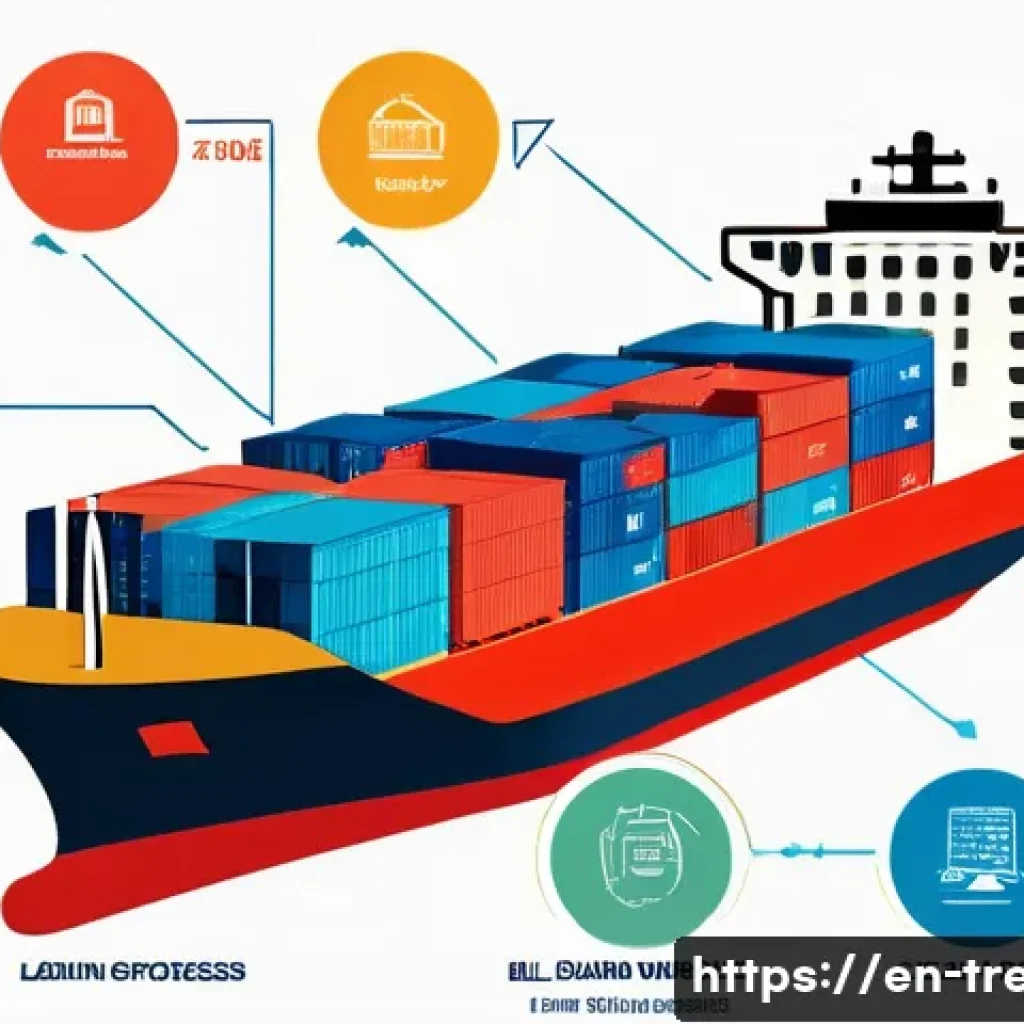
Sometimes, words alone don’t cut it. I found that diagrams illustrating supply chain flow or timelines showing when payments and deliveries occur helped immensely.
For example, a flowchart mapping the journey of goods from factory to port to buyer’s warehouse demystified the role of different documents and terms.
When visual elements complement text, retention improves significantly. Try sketching your own simplified versions based on what you read or hear in lectures.
This active involvement makes the learning process more engaging and less abstract.
Leveraging Real-World Examples from Industry News
Diving into recent international trade news allowed me to see terminology in action. Articles discussing tariff disputes, shipping delays, or contract negotiations provide context that dry textbooks rarely offer.
By following these stories, I could connect terms to current events, making the language more relevant and memorable. Plus, it helped me understand the practical implications of terms like “force majeure” or “incoterms” during unforeseen circumstances, which often appear in exams.
Mastering Contract Clauses through Interactive Practice
Role-Playing Contract Negotiations
One unexpected method that boosted my confidence was simulating contract discussions with peers or mentors. We would take standard contract clauses and debate their implications, negotiating terms as if we were real traders.
This exercise highlighted nuances in language and helped me anticipate tricky questions during exams. For example, discussing liability clauses made me realize how subtle wording changes could shift responsibilities, which is critical in test scenarios.
Annotating Contracts to Highlight Key Points
Annotating sample contracts turned out to be a game-changer. I underlined or highlighted phrases related to payment terms, delivery timelines, and penalties, adding margin notes explaining their purpose.
This active reading helped me digest complex sentences and improved my ability to quickly identify important details during the exam. Over time, I developed a checklist of essential clauses to scan for, speeding up my reading and comprehension under time pressure.
Creating a Personal Glossary of Contract Terms
Maintaining a dedicated glossary with my own definitions and example sentences was invaluable. It served as a quick reference and reinforced learning by encouraging me to put concepts into my own words.
Revisiting this glossary before exams refreshed my memory and boosted my confidence. Sharing it with study groups also sparked discussions, deepening our collective understanding.
Enhancing Comprehension of Shipping Terms through Immersive Methods
Watching Documentary and Tutorial Videos
Visual content that explains shipping procedures, port operations, and logistics terminology made a huge difference. I remember watching a series on container shipping which clarified terms like “demurrage” and “transshipment” far better than reading definitions.
The real-life footage and expert commentary helped me visualize processes and remember terms through storytelling.
Participating in Online Forums and Trade Communities
Engaging with international trade professionals on forums like LinkedIn groups or Reddit threads allowed me to ask questions and see discussions around common shipping issues.
Observing real questions and answers enriched my understanding beyond textbooks and introduced me to practical tips and pitfalls. It’s one thing to know a term’s definition, but seeing how it’s used in conversation reveals its true meaning.
Using Mnemonic Devices for Complex Terms
For some particularly tricky terms, I crafted mnemonic devices or catchy phrases to aid recall. For instance, remembering “CIF” as “Cost, Insurance, Freight – seller pays” helped me quickly recall responsibilities.
Personalizing mnemonics with humor or imagery made them stick better. This small effort saved me from blanking out during the exam when the pressure was on.
Balancing Theory and Practice with Smart Study Routines
Alternating Between Reading and Application
I found that switching between studying theory and applying it to sample questions or case studies prevented burnout and improved retention. Spending too long on definitions alone felt dry, but solving practical problems kept my brain engaged.
This balance also helped me identify gaps in knowledge that needed more attention.
Setting Realistic Daily Goals
Instead of marathon sessions, I broke my study schedule into manageable chunks—focusing on one topic each day with a mix of reading, note-taking, and practice.
This steady approach reduced overwhelm and increased motivation. Tracking progress visually, like checking off completed topics, gave me a sense of achievement that fueled further study.
Reviewing Mistakes Thoroughly
Whenever I got a practice question wrong, I didn’t just move on. I dug into why the mistake happened—whether it was misunderstanding a term or rushing through a scenario.
Reflecting on errors turned them into learning opportunities and prevented repeating them under exam conditions. This habit built my analytical skills alongside knowledge.
Improving Communication Skills for Global Trade Contexts
Practicing Clear and Concise Writing
Since exams often test written communication, I practiced drafting short, precise responses to typical trade questions. I learned that clarity beats complexity; examiners appreciate answers that get straight to the point with correct terminology.
Over time, I developed a style that balances professionalism with straightforward language, which also helps in real-world emails and reports.
Engaging in Simulated Business Correspondence
Writing mock emails and letters related to orders, complaints, or shipping instructions sharpened my ability to use trade vocabulary appropriately. These exercises also familiarized me with common formats and polite expressions, making actual communication smoother.
It’s surprising how practicing these small details boosts confidence.
Listening to Trade-Related Podcasts and Webinars
Listening to native speakers discuss trade issues improved my understanding of tone, pacing, and common expressions. It also exposed me to diverse accents and jargon variations, preparing me for real-world interactions.
Plus, it’s a convenient way to study while commuting or doing chores, maximizing time efficiency.
Utilizing Technology and Resources for Efficient Exam Prep
Employing Language Apps with Trade Vocabulary Modules
Apps like Quizlet or Memrise with customized trade term sets turned study sessions into interactive games. This variety helped me stay motivated and made vocabulary building less monotonous.
Many apps offer spaced repetition, which was crucial for long-term retention.
Accessing Online Mock Exams and Timed Quizzes
Practicing under timed conditions with online mock tests simulated the pressure of the real exam. It trained me to manage time wisely, prioritize questions, and maintain focus.
Reviewing detailed feedback from these tests highlighted areas needing improvement.
Joining Study Groups for Mutual Support
Collaborating with peers provided accountability and diverse perspectives. Explaining concepts to others reinforced my own understanding, and hearing their strategies introduced fresh ideas.
Group study also made preparation less isolating and more enjoyable.
Comparative Overview of Key Trade Terms and Their Applications
| Term | Definition | Practical Example | Common Exam Focus |
|---|---|---|---|
| FOB (Free on Board) | Seller delivers goods on board the ship; risk transfers to buyer at ship’s rail | Seller pays for loading, buyer responsible from shipment onward | Risk transfer point, cost responsibilities |
| CIF (Cost, Insurance, Freight) | Seller pays costs, insurance, and freight to bring goods to port of destination | Seller arranges and pays for shipping and insurance | Seller obligations, insurance coverage |
| Bill of Lading | Document issued by carrier acknowledging receipt of goods for shipment | Used as title of goods and contract of carriage | Functions and legal significance |
| Force Majeure | Clause excusing parties from liability due to unforeseeable events | Natural disasters delaying shipment without penalty | Application scope, triggering conditions |
| Demurrage | Charges for detention of container beyond free time at port | Extra fees if goods not cleared on time | Cost implications, time management |
글을 마치며
Mastering complex trade terminology is a journey that blends consistent practice, real-world application, and active learning techniques. By breaking down jargon, engaging with practical examples, and leveraging interactive methods, anyone can build confidence in navigating global trade language. Remember, patience and persistence are key to turning confusion into clarity. With these strategies, you’re well-equipped to excel in both exams and professional trade environments.
알아두면 쓸모 있는 정보
1. Understanding the transfer of risk and cost responsibilities in trade terms like FOB and CIF is essential for contract clarity and negotiation.
2. Visual aids such as flowcharts and diagrams significantly improve retention by connecting abstract terms to concrete processes.
3. Real-world examples from trade news and industry discussions provide context that deepens comprehension beyond textbook definitions.
4. Interactive practices, including role-playing and annotating contracts, help internalize complex clauses and improve exam readiness.
5. Utilizing technology like language apps and online mock exams makes studying more engaging and effective while building long-term retention.
핵심 포인트 요약
To effectively decode trade terminology, focus on practical learning methods that emphasize real-life application and active engagement. Break down complicated terms into manageable parts and use visual tools to anchor understanding. Regularly practice with authentic materials and simulated exercises to build confidence. Balancing theoretical knowledge with hands-on experience ensures a strong grasp of contract clauses and shipping terms. Lastly, leveraging modern study aids and peer collaboration enhances motivation and solidifies your command of trade language essentials.
Frequently Asked Questions (FAQ) 📖
Q: What are the best ways to effectively memorize complex international trade terminology for the exam?
A: From my experience, simply reading through lists of terms doesn’t cut it. Instead, try creating flashcards with real-world examples or situations where these terms apply.
For instance, linking “Incoterms” like FOB or CIF to actual shipping scenarios helps make them stick. Also, discussing these terms with peers or using them in mock contracts can deepen understanding.
This active engagement beats passive memorization and builds confidence for the exam.
Q: How can I balance learning theoretical concepts with practical application in international trade English?
A: This was a challenge I faced too. What helped me was blending study methods—after grasping the theory, I’d immediately apply it by drafting sample contracts or analyzing case studies.
Watching videos or webinars about global trade negotiations also brought concepts to life. Don’t hesitate to role-play negotiation scenarios with a study partner; it’s an excellent way to connect theory with real-world practice, making both easier to remember and use.
Q: What strategies work best for understanding and interpreting contract clauses and shipping terms under exam pressure?
A: When I first tackled this, the exam pressure made it easy to get overwhelmed. I found breaking down clauses into smaller parts and paraphrasing them in simple language helped me grasp their meaning quickly.
Also, practicing past exam questions under timed conditions trained me to spot key phrases efficiently. Highlighting common patterns or keywords in shipping terms reduced confusion and boosted my speed during the test.
The key is consistent practice combined with active reading techniques.